Revolutionizing Visual Learning: How AI-Generated Images Inspire Student Creativity and Engagement
Tired of the same old PowerPoint presentations? Are your students struggling to visualize abstract concepts or feel uninspired by stale visuals? AI image generation might just be the key to unlocking student creativity and boosting student engagement in business communication.
Imagine a classroom where students can generate compelling visuals for their marketing campaigns, design engaging infographics for their research projects, or even create unique illustrations for their written work. Integrating AI-powered tools into business communication instruction allows educators to replace static visuals with dynamic, interactive elements. This transformation enhances visual communication in business communication, bridging the gap between abstract concepts and practical applications.
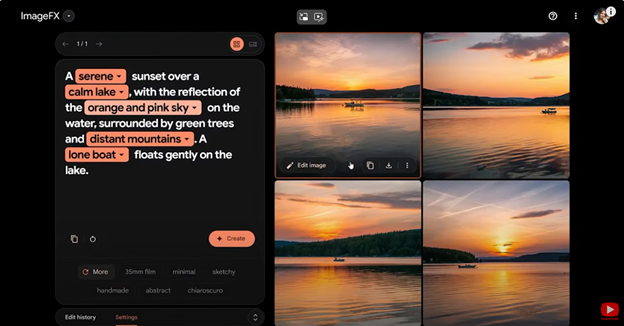
Imagen-3 represents just one tool in a growing arsenal of AI image generators available for educational innovation. By incorporating these technologies into your curriculum, you can fundamentally transform how students learn, create, and share their ideas. This technology doesn't just supplement existing teaching methods – it opens up entirely new pathways for student engagement, allowing you and your students to turn their abstract thoughts into vivid visual reality.
Five Proven Strategies for Integrating AI Image Generation in Business Communication Instruction
Effective business communication instruction requires more than just adding cool new tools; it's about transforming how your students learn and communicate. These tools foster creativity, bridge learning gaps, and boost student engagement in business communication by providing a novel way to visualize and express ideas. Here are five practical strategies for instructors to leverage this exciting technology:
1. How to Visualize Complex Business Concepts Using AI Image Generation
Abstract ideas can be challenging for students to grasp, especially when concepts are theoretical or multifaceted. Use AI image generators to create unique visual representations of these complex ideas, making them more tangible and easier to understand. For example, generate images depicting the stages of a marketing funnel, the flow of information in a communication channel, or the cascading effects of a social media campaign. This strategy allows students to see the interconnections between abstract concepts and practical applications, enhancing student engagement in business communication coursework.
Also, students can use AI-generated visuals to represent different perspectives within a concept, encouraging critical thinking. Imagine an assignment where students create multiple images to explore both the challenges and benefits of remote work. This visualization helps students synthesize information and articulate nuanced points in their discussions.
2. Using AI Tools for Creative Business Storytelling and Presentations
AI image generators can be powerful storytelling tools. Encourage students to use them to illustrate their written narratives, create visual metaphors, or develop storyboards for their projects. By thinking in both words and images, students learn to convey meaning more effectively and appeal to multiple learning styles.
Students can even create visual summaries of business cases or market trends, transforming data-heavy research into captivating narratives. Storytelling with visuals builds empathy, allowing students to engage with their audience more effectively—whether they are crafting a business pitch, an internal communication plan, or a public relations strategy.
3. Creating Engaging Business Presentations with AI Image Generation
Say goodbye to boring presentations! Encourage students to use AI image generators to design visually appealing slides, infographics, and multimedia presentations that capture attention and leave a lasting impact. A well-designed visual presentation can enhance message retention, ensuring that ideas resonate with the audience long after the presentation ends.
AI tools provide an array of customization options, allowing students to explore color schemes, visual themes, and dynamic layouts that align with their message. Students become more intentional about how visual elements complement their content, gaining valuable skills in visual literacy. Integrating these AI-generated visuals also ensures presentations are not just informative but immersive, sparking discussion and engagement from their peers.
4. AI-Powered Visual Branding Strategies for Business Communication
Challenge students to explore visual identities for hypothetical brands using AI tools. This exercise develops understanding of how aesthetics shape brand perception through experimentation with logos, colors, and design styles. This hands-on experience reveals the complex interplay between cultural context and visual communication, demonstrating how design resonates differently across varied audiences.
Challenge your students to use AI tools to explore different visual identities for hypothetical brands or products. Visual branding is crucial in business communication instruction, and this exercise helps students understand the role of aesthetics in shaping brand perception. They can experiment with logos, color palettes, and design styles, gaining firsthand experience in design thinking and brand strategy.
This exercise can also spark discussions around cultural and market differences, allowing students to reflect on how design elements communicate messages differently across audiences. As they explore branding choices, students develop an eye for consistency and creativity—key skills in today’s visually-driven business landscape.
5. Implementing AI-Based Collaborative Projects in Business Communication
Foster teamwork and creativity by having students work together to create visual narratives, design campaigns, or build virtual worlds using AI image generators. Collaborative projects help students share ideas, build upon each other’s strengths, and develop problem-solving skills in a team environment.
AI-generated visuals provide a shared creative platform that encourages experimentation. Teams can co-create brand campaigns, conceptualize product prototypes, or even visualize complex negotiation scenarios. The visual aspect adds depth to their projects, helping teams align their ideas and communicate effectively. This collaborative learning not only strengthens student engagement but also mirrors real-world business practices, preparing students for future challenges.
Embrace the Future: Implementing AI Visual Communication in Business Communication Instruction
AI image generation is not just a passing trend; it's a game-changer in modern business communication instruction. It offers a pathway to more engaging, interactive, and creative learning experiences that tap into students' imaginations. By embracing this technology, you can empower your students to become more creative, engaged, and effective communicators.
Don't be afraid to experiment and explore new possibilities with these tools. Encourage students to think beyond the ordinary and apply their AI-generated visuals to a wide range of academic projects. As they harness the power of AI, your classroom will transform into a space where imagination knows no bounds—an essential trait for thriving in today's visual and fast-changing business environment. With enhanced student engagement in business communication and innovative teaching methods, the possibilities are endless.
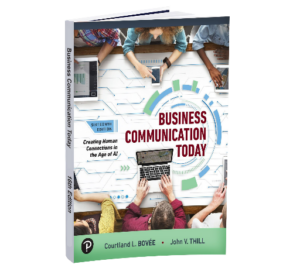
Business Communication Today: Unlocking Student Engagement in Your Classroom with AI-Driven Visuals
AI Image Generation and Business Communication: A Modern Teaching Approach
AI image generation is transforming business communication by fostering creativity, engagement, and critical thinking. For instructors looking to integrate AI-powered tools into their classrooms, it is crucial to have a foundational text that supports modern communication practices. Business Communication Today is the ideal resource for this purpose, offering a comprehensive approach to visual communication, digital literacy, and strategic messaging.
1. Foundational Visual Communication Frameworks to Support AI Integration
While AI tools enable students to visualize concepts dynamically, they must be grounded in communication theory and visual literacy. Business Communication Today provides essential guidance on:
- The principles of effective design for business presentations.
- Strategies for storytelling through images and data visualization.
- Practical applications of visual branding and marketing communication.
This framework ensures students use AI-generated visuals thoughtfully, aligning their designs with core business messaging strategies.
2. Encouraging Creative Storytelling with Multimodal Communication
AI-generated visuals serve as powerful storytelling tools, allowing students to create narratives that blend text and imagery. Business Communication Today emphasizes multimodal communication, making it a natural fit for AI integration by:
- Helping students craft visual metaphors and storyboards for strategic communication projects, such as business pitches or marketing campaigns.
- Guiding students in balancing textual and visual elements to build engaging narratives that foster audience connection and empathy.
3. Tools for Designing Interactive, Impactful Presentations
AI-generated visuals provide students with creative control over their presentations, but effectiveness depends on more than aesthetics. Business Communication Today equips students with:
- Techniques for designing engaging presentations that resonate with diverse audiences.
- Insights into message framing, audience analysis, and slide design to enhance retention.
- Practical advice on integrating AI-generated images into persuasive communication.
This guidance ensures students become not only proficient designers but also skilled communicators capable of crafting presentations that leave a lasting impact.
4. Support for Visual Branding and Cross-Cultural Design Thinking
AI tools can help teach students the significance of visual branding, but without a structured approach, these efforts may lack depth. Business Communication Today provides:
- An understanding of how branding influences consumer behavior and perception.
- The role of cultural nuances in visual communication across global markets.
- Hands-on opportunities to apply visual branding strategies through real-world projects.
These insights complement exercises using AI tools, helping students develop a strategic approach to branding while maintaining consistency and cultural awareness.
5. A Collaborative Learning Model That Mirrors Real-World Practices
Collaboration is central to both business education and the modern workplace. AI image generation enhances group work, and Business Communication Today supports collaborative learning through:
- Group projects that focus on communication strategies, campaigns, and virtual teamwork.
- Case studies illustrating how real businesses use visuals for internal and external communication.
- Exercises that mirror professional practices, such as collaborative brand development and visual storytelling.
By emphasizing teamwork and digital collaboration, the textbook prepares students for the realities of modern business environments.
The Intersection of AI and Modern Business Communication
Business Communication Today is uniquely positioned to complement AI image generators by emphasizing the role of emerging technologies in business communication. It prepares students for the future by:
- Highlighting the impact of AI and digital transformation on professional communication.
- Encouraging the use of AI and other technologies to engage audiences and enhance message delivery.
- Providing scenarios and exercises that integrate technology into practical communication strategies.
As AI becomes an integral part of business communication, this textbook ensures students are equipped with the knowledge and skills to thrive in an evolving digital landscape.
Adopt Business Communication Today, 16th Edition, to Empower Students with the Tools to Excel
Read more